Winter Dead Stick Fishing for Stripers on Lake Texoma (2025 Guide)
(Quick Answer for Winter Stripers on Lake Texoma)
- Dead sticking is a top winter technique on Lake Texoma when stripers slow down in 40–55°F water.
- Find shad schools on sonar, then hold a fluke/shad-style plastic motionless at the fish’s depth.
- Best windows: morning, midday warm-up, and late afternoon — especially after cold fronts.
- Expect subtle bites: watch the tip, feel for weight, then set with steady pressure.
Updated for 2025 with clearer steps, FAQs, and new information.
Frequently Asked Questions About Dead Stick Fishing on Lake Texoma
Is dead stick fishing good for beginners?
Yes. It’s one of the simplest and most effective winter techniques, especially when guided by a professional.
What’s the best bait for dead sticking stripers?
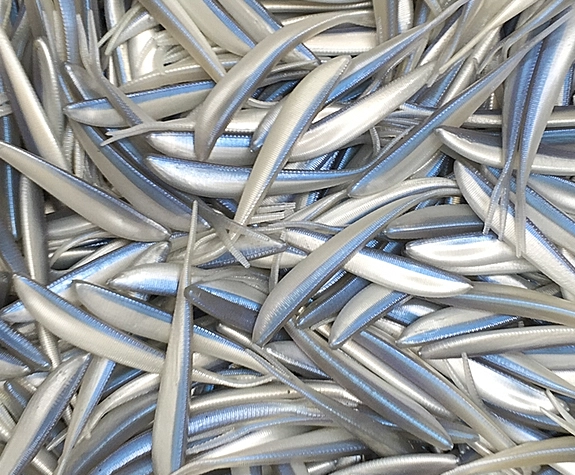
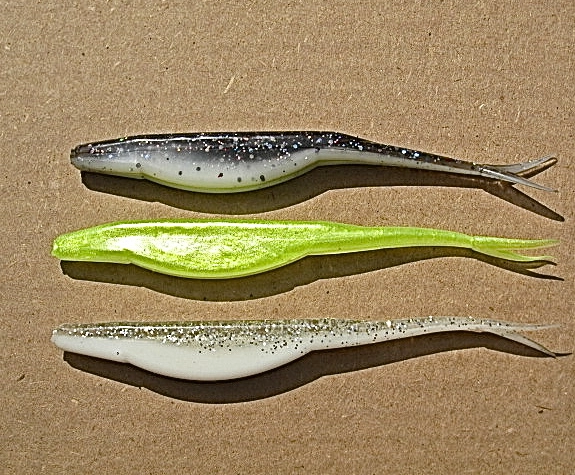
Soft plastic flukes and shad-style plastics on balanced jig heads perform best.
Do you catch bigger stripers in winter?
Absolutely. Winter consistently produces larger-than-average Lake Texoma stripers.
Can you dead stick from a boat or drifting?
Yes. Controlled drifting or spot-locking works extremely well when fish are suspended.
The Complete Guide from a Local Lake Texoma Striper Guide
Dead stick fishing is one of the most reliable winter techniques for catching striped bass on Lake Texoma. When water temperatures drop and stripers become less aggressive, a properly presented dead stick can out-fish faster, more active methods—often producing the biggest fish of the season.
This guide breaks down exactly how, when, and why dead stick fishing works on Lake Texoma in winter, based on years of on-the-water experience guiding clients through cold-water conditions.
Why Lake Texoma Is a World-Class Striped Bass Fishery
Lake Texoma is one of the only freshwater lakes in the United States with naturally reproducing striped bass, making it a premier destination for trophy striper anglers year-round.
Covering nearly 89,000 acres along the Texas–Oklahoma border, Texoma’s unique combination of:
Slight salinity
Long river arms (Red River & Washita River)
Deep channels and expansive flats
creates ideal habitat for striped bass to thrive.
Winter Fishing on Lake Texoma
While spring and fall get most of the attention, winter is when Lake Texoma consistently produces larger stripers. Cold water pushes baitfish into tight schools, and stripers follow predictable patterns—perfect conditions for dead stick fishing.
What Is Dead Stick Fishing for Stripers?
Dead stick fishing is a low-movement presentation designed to imitate lethargic baitfish during cold-water periods.
Instead of aggressively working a lure, anglers:
Hold the rod still (or use a rod holder)
Maintain precise depth control
Let the bait sit naturally in the strike zone
This technique closely mimics winter shad behavior and triggers bites from stripers conserving energy.
Why Dead Stick Fishing Works So Well on Lake Texoma in Winter
As water temperatures fall:
Striped bass metabolism slows
Shad swim less and suspend longer
Stripers feed opportunistically instead of aggressively
Dead sticking capitalizes on this behavior by keeping a natural-looking bait directly in front of the fish, forcing a reaction strike even from inactive stripers.
👉 On Lake Texoma, this technique routinely produces quality over quantity, with fewer bites—but much larger fish.
Best Conditions for Dead Stick Fishing on Lake Texoma
Ideal Water Temperature
40°F–55°F is prime dead stick range
Below 40°F: slower bite windows
Above 55°F: stripers become more aggressive (other techniques shine)
Weather Patterns That Improve the Bite
Post–cold front high pressure
Overcast days with stable conditions
Calm or light wind for better depth control
Post-storm periods when fish reposition on structure
Best Time of Day in Winter
Early morning: first feeding window
Midday: surprisingly productive during sunny winter days
Late afternoon: pre-sunset feeding window
How to Dead Stick for Stripers on Lake Texoma (Step-by-Step)
1. Locate Fish with Electronics
Modern sonar is essential:
Look for tight shad balls
Identify stripers holding just above or below bait
Focus on channels, humps, and flats near deep water
2. Rigging for Dead Stick Success
Soft plastic flukes or shad profiles
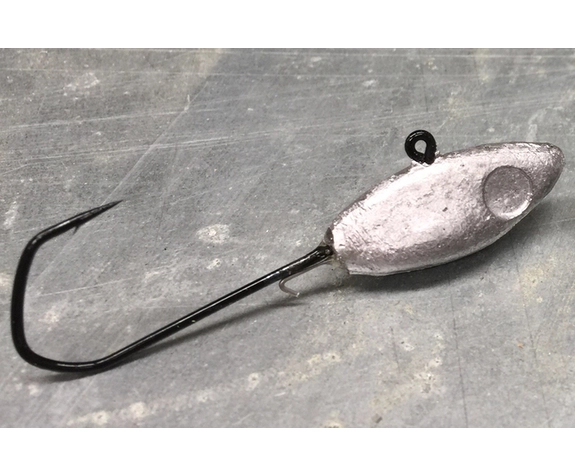
Jig heads weighted to maintain horizontal suspension
Light line for better sensitivity and natural presentation
3. Presentation Matters
Drop slowly to the target depth
Do not jig or twitch
Let the bait remain motionless
Make minor depth adjustments as fish move
4. Detecting Subtle Bites
Winter dead stick bites are often gentle:
Watch for rod tip pressure
Feel for added weight
Lift smoothly—don’t jerk
Set the hook once pressure is steady
Safety Tips for Winter Fishing on Lake Texoma
Cold-water fishing requires extra precautions:
Wear insulated, waterproof layers
Always wear a life jacket
Monitor weather changes closely
Carry emergency communication
Ensure batteries and engine are winter-ready
Lake Texoma Striped Bass Regulations (Quick Overview)
Lake Texoma Fishing License required (valid in TX & OK)
Daily limit: 10 striped bass
Only 2 fish over 20 inches
Always verify current regulations before fishing
Final Thoughts: Master Winter Stripers on Lake Texoma
Dead stick fishing is not just a technique—it’s a cold-water mindset. When other anglers struggle to get bites, dead sticking continues to produce by matching the natural behavior of winter stripers.
If you want to shorten the learning curve, locate fish faster, and put trophy stripers in the boat, fishing with a local guide makes all the difference.
🎣 Book a Winter Striper Trip with Aaron Sharp
Fish with a proven Lake Texoma striped bass guide who specializes in winter patterns and dead stick techniques.
👉 Book your Lake Texoma striper fishing trip with Aaron Sharp today and experience winter fishing done right.
Original 2024 Article (Preserved for Reference)
Note: The section below contains the original version of this post (published December 10, 2024). We’ve kept it for historical reference while placing the updated, expanded 2025 guide above for the most current Lake Texoma dead stick strategy, seasonal timing, and best-practice setup.
Dead stick fishing is a highly effective technique for targeting striped bass on Lake Texoma, especially during the colder months. This blog post provides a comprehensive guide to mastering this method, ensuring anglers can maximize their success on the water.
Meet Lake Texoma
Lake Texoma, spanning the Texas-Oklahoma border, is widely recognized as one of the premier destinations for striped bass fishing in the United States. As one of the largest reservoirs in the region, covering approximately 89,000 acres, the lake boasts a healthy population of striped bass, often referred to as “stripers.” This reputation stems from its unique ability to support natural striper reproduction, a rare occurrence in freshwater bodies, thanks to its ideal water salinity and flowing tributaries like the Red and Washita Rivers.
Anglers flock to Lake Texoma year-round for its consistent action, with peak fishing seasons occurring in spring and fall. However, winter months are particularly noteworthy for enthusiasts using techniques like dead stick fishing, as cooler water temperatures concentrate baitfish and encourage striped bass to adopt predictable feeding patterns. The lake’s diverse topography, including deep channels, submerged structures, and open flats, provides ample opportunities for anglers to locate and target trophy-sized fish.
In addition to its fishing appeal, Lake Texoma offers breathtaking scenery, abundant wildlife, and a variety of recreational activities, making it a top choice for outdoor enthusiasts and families. Whether you’re a seasoned angler or a beginner, Lake Texoma’s thriving striper population and welcoming environment make it a must-visit destination for striped bass fishing.
Why We Dead Stick Lake Texoma
Understanding Dead Stick Fishing
Dead stick fishing is a strategic angling technique in which a lure or bait is presented with minimal or no movement, effectively mimicking the behavior of passive prey. The term “dead stick” originates from the practice of leaving the fishing rod stationary, often held in a rod holder, to maintain the motionless presentation. This technique is particularly effective for mimicking sluggish baitfish like shad in cold water, creating a natural and irresistible target for predators such as striped bass.
The key to the success of deadstick fishing is using the right combination of gear and presentation. Anglers typically deploy soft plastic lures, such as flukes or shad imitations, rigged on jig heads designed to suspend the bait horizontally. This setup ensures the bait looks natural and lifelike, even when stationary. The angler’s role is maintaining precise depth control and resisting the urge to impart unnecessary movement to the bait.
Seasonal Importance
Deadstick fishing is especially effective in winter when water temperatures drop and fish activity slows. Like many fish species, striped bass experience a decrease in metabolic rates in colder conditions, causing them to conserve energy and feed less aggressively. During this time, their prey, primarily baitfish such as threadfin and gizzard shad, also exhibit reduced activity, swimming more slowly and clustering tightly in schools.
This shift in behavior aligns perfectly with the dead stick approach, as it replicates the natural conditions striped bass encounter during winter. By presenting a motionless lure at the right depth, anglers can trigger reaction bites from bass that might otherwise ignore more aggressive presentations. Dead stick fishing offers a reliable and consistent way to capitalize on their winter feeding habits on Lake Texoma, where striped bass often gather in deeper waters near bait schools during colder months.
Optimal Conditions for Dead Stick Fishing on Lake Texoma
Water Temperature
Dead stick fishing is most effective when water temperatures range between 40°F and 55°F, as these conditions significantly slow down the activity of both striped bass and their prey. During this range, striped bass conserve energy and feed opportunistically, making them more likely to strike at a lifelike but stationary bait. Temperatures below 40°F may reduce feeding activity further, while temperatures above 55°F may encourage more aggressive behavior, reducing the effectiveness of the dead stick method.
Weather Patterns
Weather plays a crucial role in striped bass behavior and the success of dead stick fishing:
- Cold Fronts: After a cold front passes, high-pressure systems often settle in, making striped bass less active. Dead stick fishing can be highly effective during these periods as the lethargic fish are more likely to respond to subtle presentations.
- Overcast Days: Cloudy weather creates low-light conditions that encourage striped bass to roam and feed more freely. Dead sticking near bait schools during these times can yield excellent results.
- Calm Conditions: Light wind or calm water enhances the effectiveness of the dead stick technique, as it prevents excess movement of the bait and allows for precise depth control.
- Post-Storm Activity: After a storm, striped bass may gather near structures or deeper channels, making it an opportune time to locate and target them with a dead stick approach.
Time of Day
The best times to implement dead stick fishing are during periods of heightened striped bass activity, which often align with feeding cycles:
- Morning: Early morning, around sunrise, is a prime time as fish are actively feeding after a night of rest. Baitfish are often concentrated at specific depths, making it easier to position dead stick lures effectively.
- Late Afternoon: The hours leading up to sunset are another productive window, as striped bass prepare for evening feeding.
- Midday (During Winter): Unlike in warmer months, striped bass can remain active during the warmer parts of a winter day when sunlight slightly raises water temperatures and encourages baitfish movement.
By understanding and aligning with these optimal conditions, anglers can maximize the success of their dead stick fishing efforts on Lake Texoma, targeting striped bass when they are most likely to bite.
Techniques for Effective Dead Stick Fishing
Locating Fish
The first step to successful dead stick fishing is finding striped bass and their baitfish. Using sonar technology is essential:
- Sonar Basics: Employ a quality fish finder to scan for schools of baitfish and the distinctive arches or clusters representing striped bass. Look for activity in deep channels, submerged structures, and flats where fish may be staging during colder months.
- Baitfish Focus: Concentrate on areas where baitfish like shad are tightly grouped, as striped bass often hover near these schools. The presence of bait is a strong indicator of predator activity.
- Adjust Depths: Observe the water column to pinpoint the depth where striped bass are holding, and position your bait accordingly to match their feeding zone.
Presentation
A realistic and precise presentation is critical to enticing striped bass with a dead stick approach:
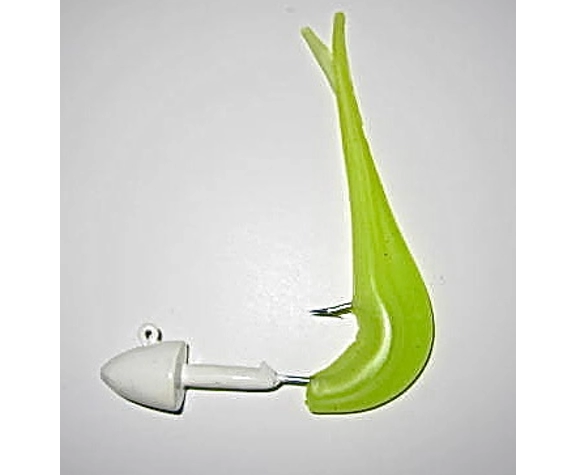
- Rigging: Use soft plastic lures, such as flukes or shad imitations, rigged on appropriately weighted jig heads. The jig head should allow the bait to suspend horizontally, mimicking a lifeless baitfish.
- Lowering the Bait: Slowly drop your lure to the depth where fish are holding, as identified by your sonar. Avoid sudden movements that might spook the fish.
- Stay Motionless: Once the lure is at the desired depth, keep it still or let natural water currents provide minimal movement. The key is to replicate the natural, subtle movements of lethargic prey.
- Depth Adjustments: Periodically adjust the depth if the fish move within the water column, ensuring your lure stays in their strike zone.
Detecting Bites
Recognizing strikes during dead stick fishing can be challenging, as bites are often subtle:
- Light Rods and Lines: Use sensitive rods and light lines to detect the slightest tension or movement.
- Watch the Tip: Keep an eye on the rod tip for any twitching or bending, as striped bass often take the bait gently.
- Feel for Weight: Slowly lift the rod periodically to check for resistance, as some bites may feel like a slight heaviness rather than a distinct tug.
- Patience Pays: Avoid jerking the rod prematurely. Wait until you feel consistent pressure before setting the hook.
By mastering these techniques, anglers can maximize their success with dead stick fishing, effectively targeting striped bass even in the challenging conditions of colder months.
Safety and Regulations for Dead Stick Fishing on Lake Texoma
Boating Safety
Fishing during the colder months presents unique challenges, making safety a top priority. Here are key precautions to follow:
- Cold-Weather Gear: Dress in layers and wear insulated, waterproof clothing to protect against hypothermia. Include gloves, hats, and thermal socks to keep extremities warm.
- Life Jackets: Always wear a U.S. Coast Guard-approved life jacket, especially in cold weather, as falling into frigid water significantly increases the risk of hypothermia.
- Weather Awareness: Check weather forecasts before heading out and be alert for sudden changes in wind or temperature. Avoid fishing during storms or strong winds, as these can create dangerous conditions on the water.
- Communication: Carry a fully charged phone or marine radio for emergency contact. Inform someone onshore about your planned location and return time.
- Boating Essentials: Ensure your boat is equipped with safety essentials, such as a first-aid kit, fire extinguisher, and navigation lights. Additionally, verify that your engine and battery are in good condition to avoid breakdowns in cold conditions.
Fishing Regulations
Compliance with local fishing regulations is essential for sustainable and lawful angling on Lake Texoma:
- Licensing Requirements: Anglers aged 16 and older need a valid fishing license. For those fishing on Lake Texoma specifically, a Lake Texoma Fishing License allows you to fish across both Texas and Oklahoma waters. This is a convenient option for anglers exploring multiple areas of the lake.
- Catch Limits: Striped bass regulations include:
- Daily Bag Limit: Anglers may keep 10 striped bass per day.
- Size Limit: Only 2 striped bass per day may measure over 20 inches in length.
- Seasonal Restrictions: Be aware of any seasonal or area-specific restrictions that may apply to striped bass or other species.
- Bait and Tackle Rules: Ensure compliance with local rules on bait usage and hook configurations to avoid unintentional violations.
By following these safety precautions and adhering to regulations, anglers can enjoy a productive and responsible dead stick fishing experience on Lake Texoma, ensuring the preservation of its renowned striped bass fishery for future generations.
Final Thoughts
Dead stick fishing is a proven and effective technique for targeting striped bass on Lake Texoma, especially during the colder months when the fish become less active. This method’s simplicity, combined with its ability to mimic the natural behavior of lethargic prey, makes it a powerful tool in any angler’s arsenal. By carefully considering water temperature, weather patterns, and the time of day, and by employing the right gear and techniques, anglers can maximize their chances of success.
The benefits of dead stick fishing extend beyond just catching fish. It’s a patient, thoughtful approach that deepens an angler’s understanding of striped bass behavior and the unique ecosystem of Lake Texoma. Mastering this technique allows anglers to adapt to challenging winter conditions and still enjoy productive and rewarding fishing experiences.
By applying the strategies and insights outlined in this guide, you can enhance your skills and confidence in dead stick fishing. Whether you’re a seasoned angler or a beginner, Lake Texoma offers the perfect setting to put these techniques into practice and enjoy the thrill of landing striped bass. Equip yourself with the knowledge, gear, and safety awareness needed, and embrace the challenge of dead stick fishing for a truly memorable outing on this premier fishing destination. Book a trip with Lake Texoma Fishing Guide Aaron Sharp today.
0 Comments