Lake Texoma Artificial Lure Guide: Best Lures for Striped Bass
Updated November 2, 2026
Author: Guide Aaron Sharp
Choose artificial lures for Lake Texoma stripers by matching the baitfish, the depth where fish are holding and the presentation they respond to. This guide covers swimbaits, underspins, spoons, rigs and topwater plugs.
Swimbaits Catch Stripers Because They Perfectly Imitate Threadfin Shad
Swimbaits are the foundation of modern artificial striper fishing because they mirror the lake’s primary forage. When stripers are actively feeding, few lures outperform a properly sized paddletail.
Top Swimbait Styles
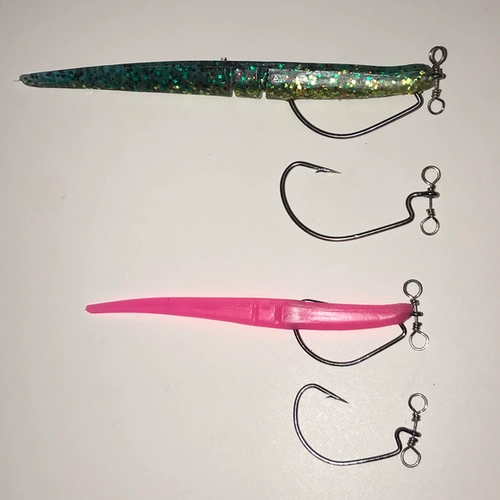
Sassy shad
Paddletail swimbaits
Soft-body baitfish profiles
Match the Hatch Rule:
Always match your swimbait size to the threadfin shad currently present. On Lake Texoma, this usually means baitfish ranging from 3 to 5 inches, but cold-water periods often call for smaller presentations.
Recommended Jighead Weights
1/2 oz — shallow water or slow fall
3/4 oz — versatile search weight
1 oz — deeper structure
1.5 oz — heavy current or fast drop
2 oz — vertical presentations
Pro Tip:
Choose enough weight to reach and control the lure at the depth where fish are holding. Adjust for depth, wind, current and boat speed. Bottom contact can help when fishing bottom structure, but suspended fish require a presentation at their depth.
Underspin Jigheads Trigger Reaction Strikes When Fish Are Suspended
Underspins add flash and vibration — two triggers that help stripers locate your lure in stained water or low-light conditions.
Best Sizes
1/2 oz
3/4 oz
Use underspins when:
Bait is scattered
Fish are suspended
Wind creates surface chop
Overcast conditions reduce visibility
The added blade often turns followers into committed strikes.
Vertical Jigging Slab Spoons Excel When Stripers School Deep
Slab spoons dominate during winter and summer when fish stack beneath bait schools.
Preferred Weights
3/4 oz
1 oz
1.5 oz
2 oz
High-Confidence Colors
Chartreuse
Chrome
Glow white
Drop the spoon directly beneath the boat, snap it upward, and follow it down on a semi-slack line. Most strikes occur on the fall.
Critical Mistake to Avoid:
Do not overwork the lure — let the spoon’s natural flutter do the job.
Alabama Rigs Catch Multiple Fish Because They Mimic a School of Bait
Few artificial setups create the feeding illusion of an Alabama Rig. When stripers push bait into tight balls, this rig can produce explosive action.
When to Throw It
Fall feeding periods
Pre-winter patterns
Open-water schooling fish
Because these rigs are heavier, they allow long casts and controlled depth tracking — ideal for covering water quickly.
Topwater Lures: Choose the Action, Size and Retrieve

Use topwater plugs when bait and stripers are feeding near the surface. Low light can offer an opportunity, but watch the bait and fish rather than relying on a fixed calendar or a guaranteed ending time. For seasonal patterns, see the Fall Lake Texoma Striper Fishing guide.
Walking, popping and waking baits
Walking plugs move from side to side with a walk-the-dog retrieve. Poppers use a cupped face to push water and make surface noise. Waking baits create a visible disturbance as they travel across the surface.
Aaron favors popping or chugging lures in wind and walking plugs in calmer water. Match the lure’s size to the bait the stripers are chasing. Carrying 3-, 5- and 7-inch plugs provides options for different forage sizes. Choose the size that suits the bait you see rather than automatically choosing the largest plug.
Approach surface-feeding fish quietly
Use the trolling motor to follow moving schools and limit unnecessary engine noise near feeding fish. Sandy shorelines can offer a fall topwater opportunity when shad move shallow. Start early when conditions favor a morning surface bite, and be ready to change presentations as the activity fades.
Follow up when a striper misses the plug
Keep a second rod ready with a 4-inch fluke on a 1/2-ounce underspin jighead. After a missed surface strike, try that softer presentation instead of repeatedly throwing the same plug. It offers another way to reach a fish that follows or short-strikes the surface bait.

Bucktail Jigs Work When Everything Else Fails
Bucktails remain one of the most dependable striper lures ever created.
Why they work:
Natural profile
Subtle movement
Effective in clear water
Fish them alone or pair them with an underspin for added flash.
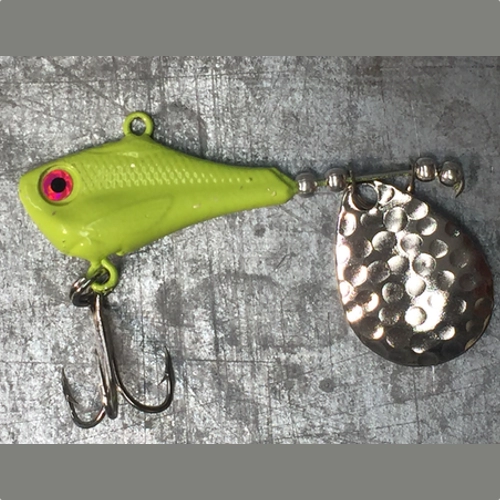
Tail Spinner Lures Shine During Cold-Water Fishing
Tail spinners produce tight vibration patterns that trigger lethargic fish.
Use them when:
Water temps drop
Fish hold tight to structure
Slow presentations are required
Their compact size matches smaller winter forage perfectly.
Large Flutter Spoons Target Trophy Stripers
If your goal is a personal best, upsizing your lure is a proven strategy.
Flutter spoons:
Displace more water
Create erratic fall patterns
Attract larger predators
Big fish prefer big meals — especially when conserving energy.
Lure-selection mistakes to avoid
- Fishing above or below the depth where fish are holding
- Choosing a bait size that does not match the forage
- Retrieving too quickly for the conditions
- Ignoring changes in seasonal fish behavior
Expert Gear Recommendation
For proven artificial lures and striper tackle, visit:
Serious anglers trust specialized gear designed specifically for striper fishing performance.
Artificial lure questions
What is the best artificial lure for striped bass on Lake Texoma?
Swimbaits are widely considered the top artificial lure because they closely imitate threadfin shad. However, slab spoons and underspins can outperform swimbaits when fish move deeper or suspend.
Do artificial lures work year-round on Lake Texoma?
Yes. Artificial lures catch stripers in every season when matched to water temperature, forage size, and fish behavior.
Are artificial lures better than live bait?
Neither is universally better. Artificial lures allow anglers to cover water faster and trigger reaction strikes, while live bait excels when fish are inactive.
Can beginners catch stripers using artificial lures?
Absolutely. With proper instruction on lure weight, retrieve speed, and depth control, beginners often find artificials easier than managing live bait.