Short Answer
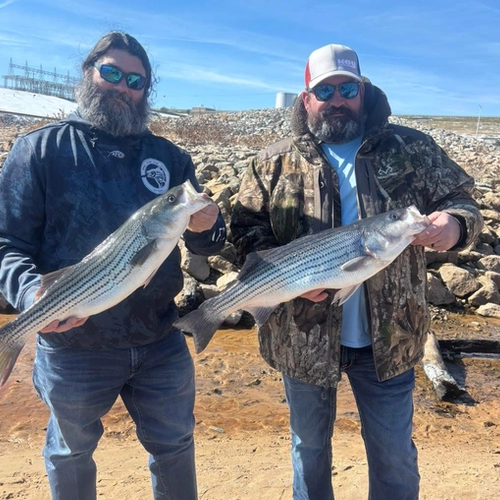
The best time to fish Lake Texoma is year-round, but peak striped bass action typically occurs in spring and fall when water temperatures trigger aggressive feeding behavior. Anglers fishing near Kingston, Oklahoma, benefit from predictable seasonal patterns that make it easier to plan a successful trip. Whether you’re a beginner or experienced angler, understanding timing can dramatically improve your catch rates.
Best Time to Fish Lake Texoma in Kingston, OK | Sharp’s Striper Guide Service
Lake Texoma Offers Excellent Fishing 12 Months a Year
Lake Texoma is widely considered one of the top striped bass fisheries in the United States because it supports a strong, naturally reproducing population of stripers. Unlike many reservoirs that rely solely on stocking programs, Texoma’s unique salinity levels allow striped bass to spawn successfully.
This means anglers are not limited to a short “season.” Instead, fishing success depends on understanding fish behavior, water temperature, bait movement, and weather patterns.
When you align your trip with these factors, you dramatically increase your odds of landing trophy fish.
Timing Matters Because Striped Bass Follow Predictable Feeding Cycles
Striped bass are constantly on the move, chasing schools of threadfin and gizzard shad. Their activity levels rise and fall with seasonal temperature changes.
Here is the simple truth many anglers overlook:
👉 Stripers don’t disappear — they relocate.
Professional guides track these movements daily using advanced sonar and years of on-the-water experience.
When conditions change, successful anglers adjust techniques instead of assuming the fish “aren’t biting.”
Spring Is Prime Time for Trophy Striper Fishing
Spring consistently produces some of the largest striped bass caught all year.
As water temperatures climb into the mid-50s, stripers begin staging near river channels and current breaks in preparation for the spawn.
Why Spring Fishing Is So Productive:
Fish feed aggressively after winter.
Larger females are heavier with eggs.
Schools group tighter, making them easier to target.
Weather is comfortable for long days on the water.
Best Techniques:
Live bait drifting
Vertical jigging
Swimbaits
Umbrella rigs
For many anglers, March through May represents the ultimate window for catching a personal best.
Summer Fishing Is Better Than Most Anglers Expect
Many fishermen assume summer is too hot — but experienced Lake Texoma guides know it can deliver outstanding action.
Stripers move deeper and become structure-oriented, often holding near ledges, humps, and submerged river channels.
Early mornings are especially productive, with explosive topwater bites possible when bait rises overnight.
Summer Success Tips:
Start before sunrise
Watch electronics carefully
Fish deeper as the sun climbs
Stay mobile
Guided trips are particularly valuable in summer because locating fish quickly prevents wasting time in unproductive water.
Fall May Be the Most Underrated Fishing Season
Ask many professional guides their favorite time to fish, and you’ll often hear one answer:
Fall.
Cooling water reinvigorates striped bass after the heat of summer. Baitfish migrate into creeks, and stripers follow closely behind.
The result?
Fast action and frequent double-hookups.
Why Anglers Love Fall:
Aggressive feeding before winter
Comfortable temperatures
Less boat traffic
Consistent bite patterns
If you enjoy steady rod action rather than hunting a single trophy, fall can be unbeatable.
Winter Produces Giant Stripers for Patient Anglers
Cold weather keeps many boats off the lake — which is exactly why winter can be spectacular.
Stripers conserve energy but still feed heavily when opportunities arise.
Modern sonar allows guides to pinpoint massive schools holding deep, making vertical jigging and dead-sticking highly effective.
Advantages of Winter Trips:
Minimal crowds
Calm water conditions
Trophy potential
Predictable fish positioning
Serious anglers often consider winter the best shot at landing a true monster.
Water Temperature Is the Single Most Important Factor
While calendar seasons help with planning, water temperature ultimately determines fish behavior.
Use this quick reference:
| Water Temp | Striper Behavior | Strategy |
|---|---|---|
| 45–55°F | Pre-spawn staging | Slow presentations |
| 55–68°F | Spawn activity | Live bait, swimbaits |
| 70–80°F | Move deeper | Electronics critical |
| 60–70°F (fall) | Heavy feeding | Fast-moving lures |
Understanding this removes guesswork and turns fishing into a strategic advantage.
Weather Patterns Can Trigger Incredible Fishing Days
Small weather changes often create massive feeding windows.
Watch for:
Incoming fronts
Light wind
Cloud cover
Falling barometric pressure
These conditions frequently ignite aggressive schooling behavior.
Conversely, bright skies and high pressure may require more finesse.
A professional guide monitors these shifts daily — something weekend anglers rarely have time to do.
Live Bait vs Artificial Lures: Timing Influences Both
There is no universally “best” method — only the best method for current conditions.
Live Bait Excels When:
Fish are suspended
Water is cold
Stripers are pressured
Artificial Lures Shine When:
Fish are actively chasing bait
Birds are working
Schools are shallow
The most successful trips often use both.
Flexibility is the hallmark of expert fishing.
Weekdays Often Outperform Weekends
Fishing pressure matters more than many anglers realize.
Boat traffic can scatter bait and push fish deeper.
Choosing a weekday trip often means:
Less competition
More relaxed fishing
Better drift control
Higher catch rates
If your schedule allows, it’s one of the simplest ways to improve success.
Sunrise and Sunset Create Natural Feeding Windows
Low-light periods consistently produce strong bites.
During these times, bait rises in the water column — and predators follow.
Plan your trip to maximize:
✔ Early morning
✔ Late afternoon
✔ Overcast days
Midday fishing can still be productive, but often requires deeper presentations.
Hiring a Local Guide Eliminates the Learning Curve
Lake Texoma spans nearly 90,000 acres, and fish locations change daily.
Instead of spending months figuring it out, guided trips allow anglers to:
Learn seasonal patterns
Master electronics interpretation
Understand lure selection
Fish productive water immediately
Perhaps most importantly — guides shorten the path between effort and success.
Planning Ahead Helps You Fish During Peak Windows
The most in-demand fishing periods fill quickly, especially:
Spring break
Trophy spring season
Fall feeding runs
Booking early ensures you secure prime dates rather than settling for leftovers.
Consistency Is Why Lake Texoma Stands Out Nationally
Some fisheries are boom-or-bust.
Texoma is different.
Its combination of forage, habitat, and spawning success creates one of the most reliable striped bass lakes in America.
For anglers seeking dependable action rather than gambling on conditions, few destinations compare.
Service Areas
Sharp’s Striper Guide Service proudly launches from Kingston, Oklahoma, placing anglers within minutes of some of Lake Texoma’s most productive fishing grounds. Trips regularly serve fishermen traveling from nearby communities including Platter, Cartwright, Pottsboro, Gordonville, Denison, and Sherman. Whether you’re local to Texoma or visiting from the Dallas–Fort Worth region, fishing with an experienced Kingston-based guide ensures you start your day close to the action.
People Also Ask
What is the best month to fish Lake Texoma?
March through May is widely considered prime time due to pre-spawn feeding and trophy potential, but excellent fishing happens year-round.
Can you catch stripers on Lake Texoma in the summer?
Yes — stripers typically move deeper, and early morning trips can produce fast action when bait rises overnight.
Is winter fishing worth it on Lake Texoma?
Absolutely. Winter often produces some of the largest fish because stripers group tightly and are easier to locate with electronics.
Do I need a guide to fish Lake Texoma successfully?
While not required, a guide dramatically shortens the learning curve and helps anglers fish productive water immediately.
What time of day is best for striper fishing?
Sunrise and sunset usually provide the strongest feeding activity thanks to low light conditions.
Are artificial lures effective on Lake Texoma?
Very effective when fish are actively feeding, especially during fall and spring schooling periods.
FAQ
Is Lake Texoma good for fishing all year?
Yes. Lake Texoma supports one of the few self-sustaining striped bass populations in the country, allowing for productive fishing during every season.
When do striped bass spawn on Lake Texoma?
Striped bass typically spawn in spring when water temperatures reach the mid-50s to upper-60s, often drawing fish toward river channels.
How far in advance should I book a fishing trip?
Booking several weeks ahead is recommended for spring and fall, as these seasons fill quickly with traveling anglers.
What weather is best for striper fishing?
Cloud cover, light wind, and approaching fronts often trigger aggressive feeding behavior and improve catch rates.
Are weekday trips better than weekends?
Weekdays usually experience less boat pressure, which can lead to more consistent fishing conditions.
What should I bring on a guided fishing trip?
Most guides provide rods, reels, and tackle. Bring weather-appropriate clothing, sunscreen, sunglasses, drinks, and a valid fishing license.
Book A Trip
Ready to fish during the best time to fish Lake Texoma? Call 580-624-0948 to speak directly with local expert Aaron Sharp and plan your trip with Sharp’s Striper Guide Service. Whether you’re chasing a trophy striper or introducing your family to the excitement of Texoma fishing, an experienced guide helps you make the most of every hour on the water. Follow guided trips on Lake Texoma for more information.


Recent Comments