February 17, 2024
High Temperature: 73
Low Temperature: 52
Max Wind: 16 mph
Dew Point: 47.75
Visibility: 10 miles
Sunrise: 7:18 AM
Sunset: 6:08 PM
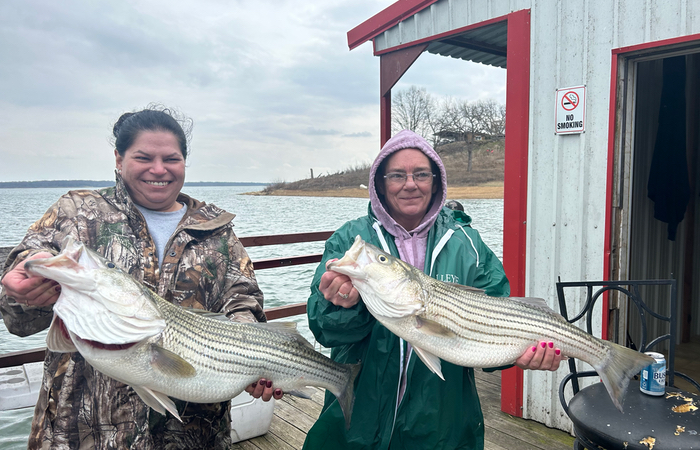
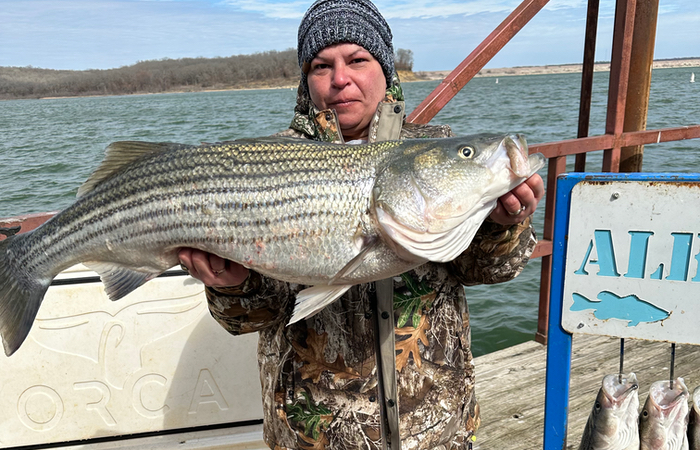
February 2024 Lake Texoma Striper Fishing Report-Overview
As winter slowly begins its transition into spring, February remains one of the most exciting months for striper fishing on Lake Texoma. Anglers from near and far converge on this North Texas gem, eager to experience its excellent striper fishing opportunities. February presents a unique blend of challenges and rewards, as cooler water temperatures keep the fish active and concentrated in predictable areas. If you’re planning a trip this month, here’s your guide to Lake Texoma’s striped bass fishing scene, complete with tips, techniques, and key weather insights to ensure a successful outing.
Weather Overview: Pottsboro, TX – January and February 2024
January in Pottsboro, TX, saw an average high temperature of 53°F and an average low of 34°F—a typical winter setup for the region. This trend is expected to continue into February, with temperatures slowly beginning to rise as the month progresses. These cooler temperatures play a significant role in the behavior of stripers, as they often congregate in deeper waters during the winter months, making them prime targets for certain techniques.
The wind speed around Lake Texoma has been steady, averaging about 10-12 mph in January, which is standard for this time of year. Wind can be both a friend and foe to anglers, creating opportunities for more natural bait presentations while also challenging boat control. February typically sees similar wind patterns, so being prepared to fish in these conditions will be essential.
Adding to the equation is the moon phase. The first week of February brings a waning gibbous moon, transitioning into a new moon on February 9th. Striper activity often correlates with moon phases, and many anglers report more consistent bites during new and full moon periods. Use this knowledge to plan your fishing trips around these lunar windows for the best chances of success.
Key Techniques for February Striper Fishing
Dead Sticking: A Winter Favorite
One of the most effective techniques during the colder months on Lake Texoma is dead sticking. This method is tailor-made for the lethargic nature of winter stripers, who tend to conserve energy in the cooler waters. Dead sticking involves suspending soft plastic lures, like flukes or jerk shads, in the water column and letting them remain motionless for long periods. The key is patience, as the natural presentation of the bait mimics a dying shad—an easy target for opportunistic stripers.
In February, focus on fishing in depths of 30-50 feet, where water temperatures are slightly warmer and schools of stripers are likely to be found. Use electronics to locate baitfish clusters, as stripers won’t be far behind. Once positioned, drop your lure to the desired depth, keeping it perfectly still except for an occasional twitch. Dead sticking is particularly effective on calm days when the lack of wind allows for better vertical presentations.
Slow Rolling Sassy Shad Swimbaits
Another technique that shines in February is slow rolling sassy shad swimbaits. This approach targets active stripers that are on the move, especially during warmer afternoons when the fish may transition to shallower waters. Sassy shads, with their paddle-tail action, perfectly imitate baitfish, and the slow retrieve helps entice strikes from stripers that are feeding but still somewhat sluggish in the colder water.
For this technique, use a medium-action rod paired with a high-quality spinning reel and spool up with 10-15 lb fluorocarbon or braided line. Cast the swimbait around structure like submerged points, ledges, or creek channels, and retrieve it slowly, just above the bottom. Keeping your swimbait in the strike zone is critical, so pay close attention to your retrieve speed and rod angle. A 3/4 oz or 1 oz jig head is ideal for maintaining contact with the bottom without sinking too quickly.
Where to Fish: February Hotspots on Lake Texoma
In February, striped bass tend to congregate in specific areas where water temperatures are slightly warmer and baitfish are abundant. Here are some top locations to target this month:
- Main Lake Points: Points near the main lake basin, especially those with steep drop-offs, are prime spots to locate schools of stripers. Use your electronics to scan these areas for baitfish and set up just downwind to drift or cast.
- Creek Channels: Creek arms like Little Mineral, Big Mineral, and Buncombe Creek are winter favorites. Stripers move into these areas to feed on baitfish, and both dead sticking and slow-rolling swimbaits can be productive here.
- Humps and Ledges: Submerged humps and ledges provide excellent ambush points for stripers. These areas often hold fish throughout the day, especially during colder spells.
Pro Tips for February Success
- Use Electronics to Your Advantage: In winter, stripers are often found in tight schools, so invest time in scanning with your fish finder to locate productive areas. Look for large clouds of baitfish, as stripers typically remain nearby.
- Match the Hatch: During winter, stripers primarily feed on threadfin and gizzard shad. Choose lures that closely mimic these baitfish in both size and color. White, pearl, and chartreuse are excellent choices for Lake Texoma.
- Be Patient and Adaptable: Winter fishing requires patience and the ability to adapt to changing conditions. Some days may call for dead sticking, while others demand a more active presentation like slow-rolling swimbaits.
- Fish During Peak Times: Pay attention to the solunar calendar, especially the days surrounding the new moon. Early morning and late afternoon bites tend to be more consistent during these phases.
- Stay Safe and Comfortable: February weather can be unpredictable, with sudden cold fronts and gusty winds. Dress in layers, bring plenty of warm beverages, and always prioritize safety, especially when fishing offshore.
Looking Ahead to Spring
While February offers some of the year’s best opportunities for quality striped bass on Lake Texoma, the month also marks the transition into spring patterns. As water temperatures begin to rise in late February and into March, stripers will start to move shallower, setting the stage for an exciting spring season.
For now, take advantage of the cooler conditions and the productive techniques of dead sticking and slow rolling sassy shads. With a little preparation and persistence, you’ll be well on your way to landing some trophy stripers this month. Tight lines, and we’ll see you on the water! Follow Lake Texoma Striper Guides to book a trip.
Recent Comments